

Chew on This: The Bold, Unexpected History of Fruit Chews
| BY JOSH ROTHSTEIN
There is a very specific kind of kid who, when handed a pack of Starburst, immediately sorted by color before eating a single piece. Red first, obviously. Then orange. The pink ones were saved. The yellow ones were tolerated, or quietly traded to someone with worse taste. If you know, you know. And if you spent any time near a candy dish between roughly 1980 and today, you almost certainly know.
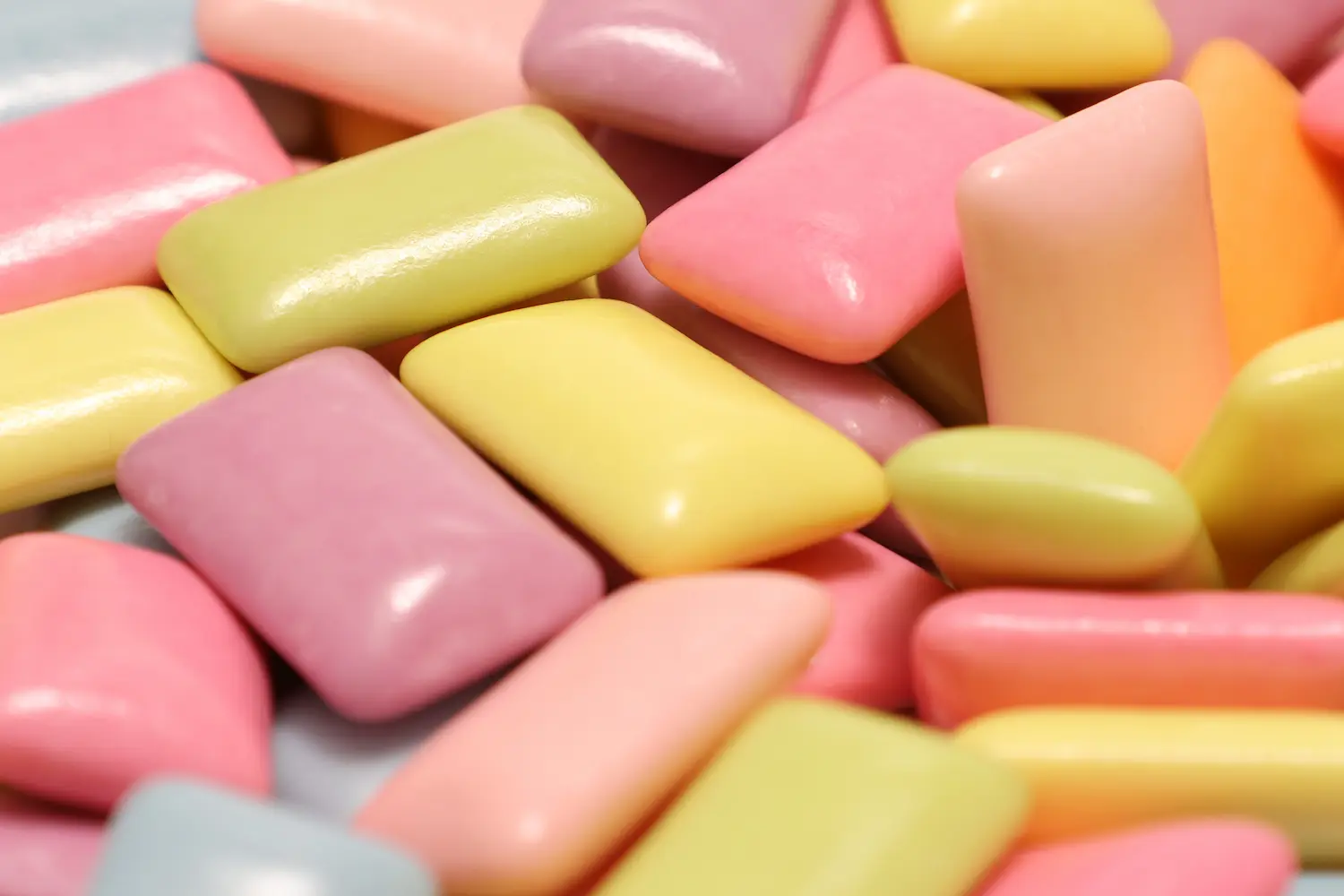
Fruit chews are one of those candy formats that feel so obvious, so perfectly suited to the act of eating candy, that it is easy to forget someone had to invent them. The chewy, fruit-flavored, individually wrapped little rectangle has become one of the most reliably stocked items in any candy store on the planet. But the category has a genuinely interesting origin story, a global expansion that reads more like a business thriller than a confectionery timeline, and a present-day market that is more competitive and exciting than it has ever been.
Here is what you actually need to know about the candy format that never leaves the bestseller list. For a broader look at the formats that tend to perform across all store types, our guide on best-selling candy formats retailers should stock is worth keeping close.
Opal Fruits: The Original Name You Have Never Heard
Starburst is so dominant in the American fruit chew market that it is easy to assume it was invented here. It was not. The candy was created in the United Kingdom in 1960 by Mars, who launched it under the name Opal Fruits. The original four flavors were strawberry, lemon, orange, and lime. The tagline was simple: "Made to make your mouth water." It was accurate.
Opal Fruits arrived in the United States in 1967 under the new name Starburst, apparently because Americans were not attaching the same emotional resonance to opals that British consumers did. The rebrand worked. By the 1970s, Starburst was a fixture in American candy aisles and the pink flavor debate was already in full swing. For the record, the pink ones are strawberry. The debate is about whether they are the best flavor. They are.
Starburst eventually retired the Opal Fruits name in the UK in 1998, completing a full global rebrand almost four decades after the candy launched. The product was the same. The fruit chew category it created was now enormous. If you enjoy tracing how candy brands built their cultural footprints, our look at candy from the 1980s covers the era when Starburst hit its stride.
Hi-Chew: How a Japanese Candy Quietly Conquered America
While Starburst was building its American empire, a Japanese candy company named Morinaga was working on a different approach to the fruit chew. Hi-Chew launched in Japan in 1975, built around an unusually soft, dense chew with an intensely concentrated fruit flavor that hit differently from anything else in the category. The texture was the differentiator: less waxy than Starburst, more substantial than a gummy, with a flavor payload that lingered in a genuinely satisfying way.
Hi-Chew spent decades as a beloved domestic Japanese brand before Morinaga began a serious push into the American market in the 2000s. The candy found early traction in Asian grocery stores and specialty shops, then got a cultural rocket boost from an unlikely source: baseball. Players from Japan who came to Major League Baseball brought Hi-Chew with them, and dugout footage of players chewing Hi-Chew during games went viral before the word viral was in common usage for that kind of thing. The brand leaned into the baseball connection hard and smart, and it worked.
Today Hi-Chew is one of the most requested specialty candy items at independent retailers. Customers who discover it do not just buy it once. They come back and ask for specific flavors. That kind of repeat purchase behavior is exactly what a candy shop owner wants to see. For more on stocking specialty imports that drive repeat visits, our post on international candy flavors covers the wholesale sourcing side.
The Broader Category: Mamba, Now and Later, Airheads
Starburst and Hi-Chew get the most attention, but the fruit chew category is genuinely deep. Mamba, a German-made fruit chew that has been around since 1953, carved out a loyal American following on the strength of its slightly tangier flavor profile and its distinctive two-flavor pairing format. Now and Later brought a harder, slower chew to the category and spent decades as a penny candy staple before evolving into softer formats. Airheads, which launched in 1985, found a middle ground between the chewy and the taffy-adjacent that earned it a devoted following and some of the most memorable candy advertising of the 1990s.
Each of these products found success by doing something slightly different with the same basic premise: real fruit flavor, satisfying chew, individually wrapped, low price point. The format is simple. The execution is where brands win or lose, and the best fruit chews have been winning for decades. The nostalgia factor is real too: as our piece on why nostalgia candies always sell well explains, childhood associations are among the most durable purchase triggers in the candy category.
Why Fruit Chews Are Wholesale Gold
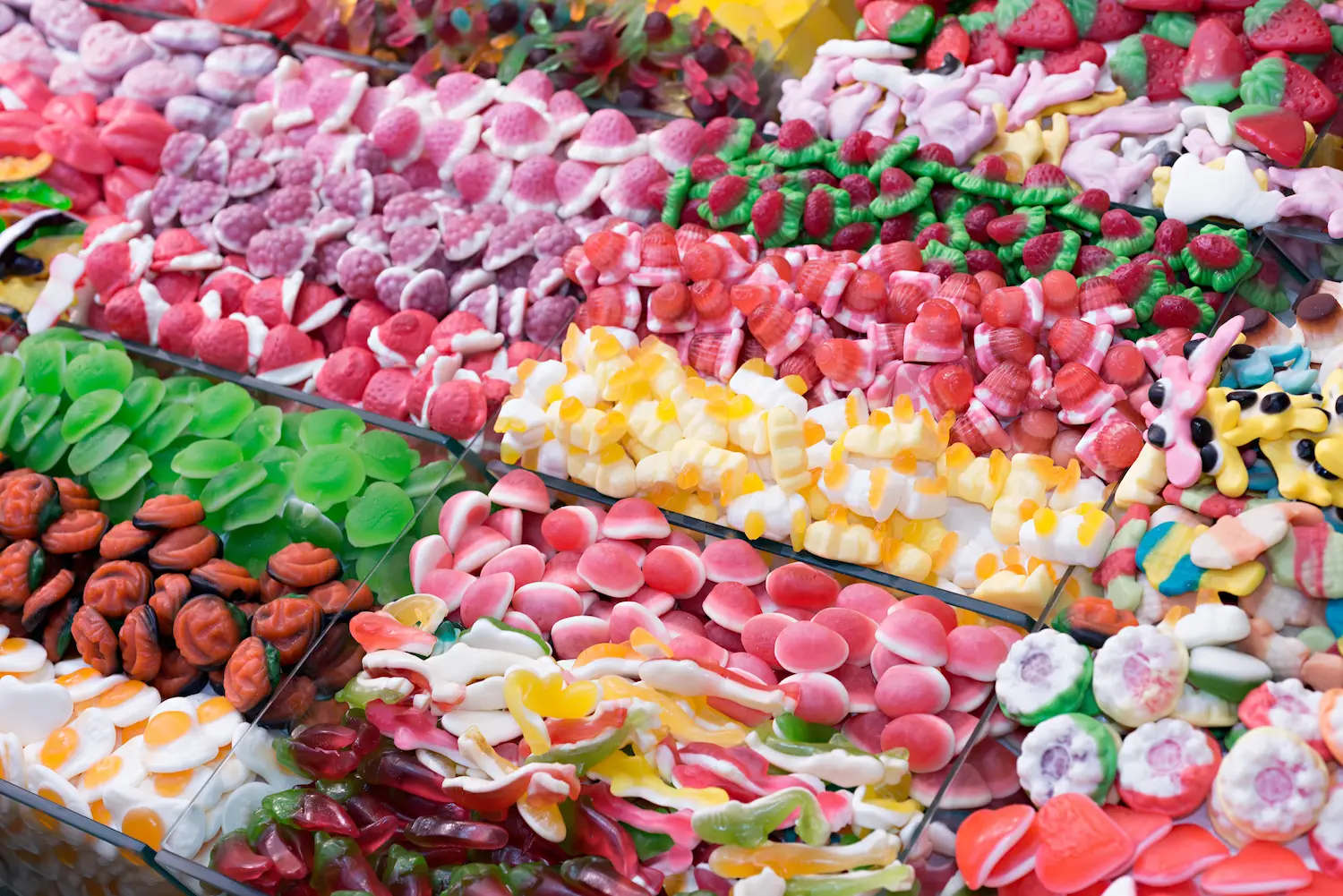
For candy store owners, fruit chews are one of the most reliable categories in the store. The price point is low enough to drive easy impulse purchases. The variety is wide enough to give every customer something they recognize. The shelf life is long enough to manage inventory without stress. And the customer loyalty in this category is genuinely strong: people have brand preferences for fruit chews the way they have brand preferences for coffee or sneakers.
The category also continues to grow. Hi-Chew has expanded into new flavor lines including tropical and sour varieties. Starburst regularly releases limited editions that generate social media traction. Smaller specialty brands are entering the fruit chew space with premium positioning and international flavor profiles that give independent retailers a genuine point of differentiation from big box candy sections.
Stocking a full range of fruit chews, from the classics that anchor the category to the specialty brands that give your store a reason for candy enthusiasts to seek you out specifically, is one of the smartest basic moves a candy retailer can make. The format sells itself. Your job is just to have the right ones on the shelf. For help building out an impulse-friendly display around them, our guide to the art of candy displays has the approach.
And to settle the pink versus red Starburst debate once and for all? That fight has been going on for over 50 years. We are not getting involved.
Ready to stock a fruit chew lineup that keeps customers coming back? Sign up for a wholesale account with Redstone Foods or give us a call. America's favorite candy distributor is here to help you build a candy aisle worth chewing over. 1-800-444-3520