

Sweet Heat: The Swicy Candy Trend Retailers Need
| BY JOSH ROTHSTEIN
The first time I tried a mango lollipop dusted in chili powder, my brain genuinely could not figure out what was happening. The sweet hit first, clean and fruity, and then about two seconds later something warm started creeping in from the sides. It was not unpleasant. It was confusing in the best possible way, like my taste buds had received two completely different signals and were trying to negotiate. I ate three more immediately. I have thought about that lollipop many times since.
That experience of flavor confusion resolving into craving is exactly what the swicy trend is built on. Swicy, the portmanteau of sweet and spicy, describes a flavor profile that used to live mostly in Mexican candy and certain Southeast Asian snacks. Today it is one of the most searched food trend terms in the United States, a documented growth category at every major candy trade show, and a reliable driver of foot traffic for candy stores and snack retailers who stock it right. This guide covers where the trend came from, why it keeps growing, and which products wholesale candy buyers should have on their shelves right now.
What Swicy Means and Why the Flavor Combination Works
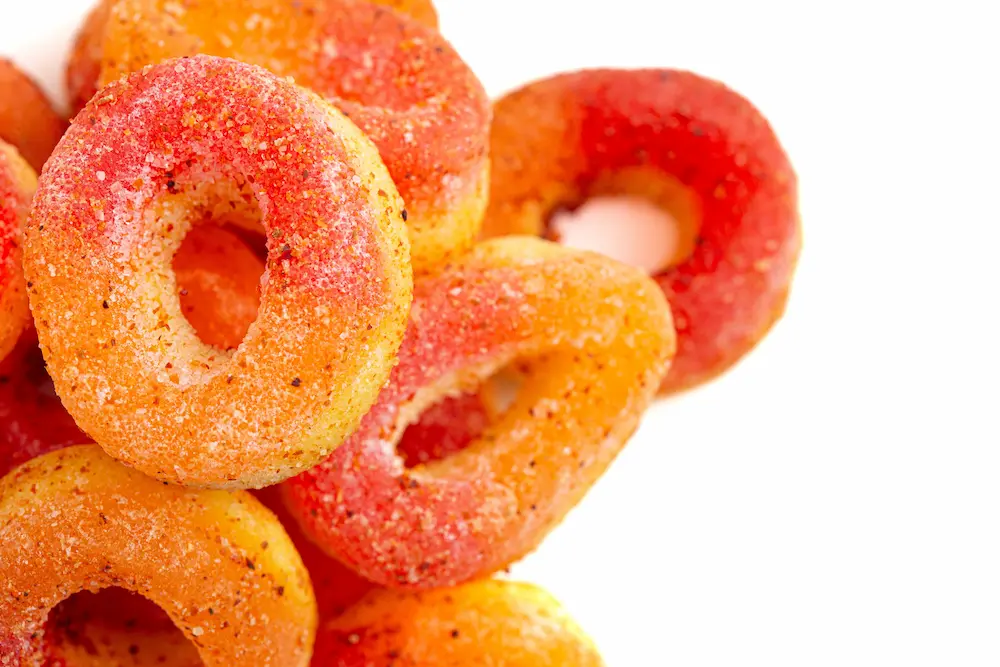
Swicy is not simply a candy that is sweet and also happens to be a little spicy. The flavor profile works because sweetness and heat amplify each other rather than canceling each other out. Sugar heightens the perception of capsaicin's warmth. Capsaicin, in turn, extends the finish of fruity and sugary flavors past the point where they would normally fade. The result is a longer, more complex flavor experience than either element delivers on its own. Food scientists call this flavor potentiation. Your brain experiences it as the inexplicable need to eat another one.
There is also a psychological layer. Mild to moderate heat triggers a small adrenaline response, which most people experience as excitement rather than discomfort. When that response arrives in the middle of eating something sweet and familiar, the result is a pleasurable tension that makes snacking feel more engaging. It is the same mechanism that makes spicy food social on TikTok: the reaction is visible, shareable, and relatable. Swicy candy generates that reaction at a much gentler heat level than a Carolina Reaper challenge, which means it appeals to a far wider audience. The science of capsaicin and flavor interaction is well documented on Wikipedia's capsaicin entry, which provides useful context on why chili heat behaves differently from temperature-based warmth in flavored foods.
How Swicy Grew from a Niche Flavor to a Mainstream Category
Chili and fruit is not a new idea. Tamarind, mango, and chili combinations have existed in Mexican confectionery for generations. Chamoy, the sauce made from pickled fruit with chili and lime, has been a staple of Mexican street food and candy culture for decades. What changed is not the flavor, it is the audience.
Two things accelerated that shift. First, the demographic makeup of American snack culture broadened significantly over the past decade, bringing flavors from Mexican, Korean, Thai, and other culinary traditions into mainstream retail. Second, TikTok happened. Chamoy pickle kits went viral in 2023 and introduced millions of Gen Z viewers to the sweet-salty-spicy-sour flavor stack in a single scroll. Brands and retailers who were already stocking chamoy-adjacent products saw immediate sales spikes.
The Sweets and Snacks Expo has logged spicy and swicy flavor profiles as a top trend for three consecutive years. The National Confectioners Association identifies bold flavors including sweet-heat combinations among the fastest-growing taste profiles in the packaged candy category. This is no longer a trend that retailers can afford to treat as a specialty item with one facing on the bottom shelf. The mango lollipop has arrived in the mainstream.
The Best Swicy Candy Products to Stock Right Now
The swicy category spans several product types and heat levels, which gives retailers the flexibility to build a section that serves both adventurous buyers and customers who want just a hint of warmth. Here is a breakdown of the formats and products that consistently perform.
Chamoy-Coated Gummies and Belts
Chamoy-coated gummies are the category entry point for many customers. The chamoy flavor is tangy, mildly sweet, and carries a low to moderate heat that most shoppers find approachable rather than challenging. Alamo Candy Company's gummy bears in chamoy and chili sauce are a proven seller, and their Picositas Belts, strawberry belts dusted in chili powder, deliver the swicy flavor in a recognizable format. These products introduced an enormous number of American candy shoppers to the chamoy profile through the viral pickle kit trend, which means the audience already exists and is actively looking for more products in the same flavor family.
Chili-Mango and Tamarind Lollipops
Watermelon and mango lollipops dusted in Tajin or chili powder are among the highest-impulse items in the swicy category. The Super Rebanadita Sandia Watermelon Lollipop with Chili Powder is a standout, delivering the dip-and-repeat interaction that makes it genuinely hard to put down. Lucas Bomvaso, the sweet and hot tamarind candy with bubble gum at the center, offers a different texture experience with a similar flavor payoff. Both products have strong heritage in Mexican candy culture and equally strong reach with younger American shoppers discovering the category for the first time.
Tajin-Adjacent Powders and Candy Sauces
Lucas Polvos Sweet and Sour Mango Candy Powder and El Chilerito Sweet and Sour Chamoy Powder have expanded beyond their original candy context into general seasoning territory. Customers buy them to use on fresh fruit, on the rim of drinks, and to build their own pickle kits. That versatility drives repeat purchases at a rate that most single-format candy products cannot match. Stock them near the chamoy and chili gummy sections for cross-sell potential.
Spicy Chocolate Bars
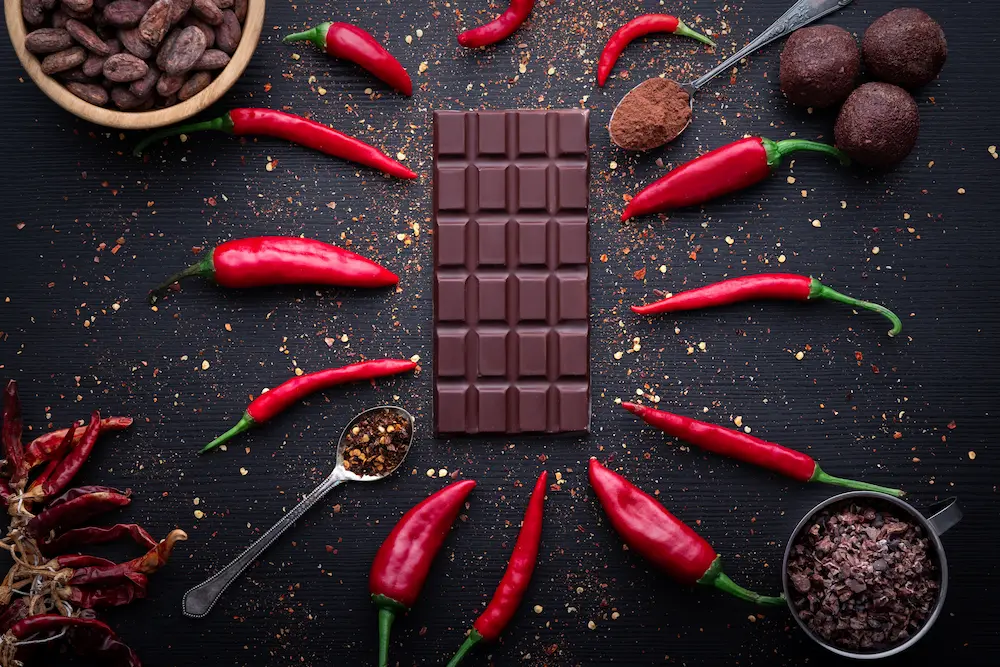
The intersection of chocolate and heat has its own loyal following, and it skews slightly older and more premium than the chamoy and Tajin category. Chuao Chocolatier's Spicy Maya dark chocolate bar with cinnamon, pasilla chile, and cayenne is a consistent seller for specialty candy retailers. This product is worth positioning at a slightly higher price point near premium chocolate rather than in the main swicy display.
Building a Swicy Section That Converts New Customers
The swicy category has an awareness problem that is actually an opportunity. A large segment of potential buyers is curious about these products but has never tried them and does not know where to start. Your display does not need to assume familiarity. It needs to invite experimentation.
Heat level signage, even informal signage, converts hesitant shoppers. A simple tag that indicates mild, medium, or hot gives customers a decision framework that reduces the friction of choosing something unfamiliar. It also helps you avoid the scenario where a first-time swicy buyer picks up the Lucas Gusano Fuego Extra Picante as their entry point and never comes back. Starting customers on chamoy gummies or Tajin lollipops and letting them escalate from there is a much better path to building a loyal swicy customer.
Position the section near your TikTok-adjacent and trending products, since both categories share the same customer curiosity. The viral candy shelf and the swicy section are natural neighbors. If a customer came in because they saw chamoy on social media, they are already primed to browse both.
Finally, keep the section stocked. Swicy products have a tendency to move faster than buyers anticipate the first time they stock the category. One empty facing on a chamoy belt sends a customer to a competitor or back to their phone to find it online. Maintain consistent inventory depth on your top three or four SKUs and treat restocking as a higher-frequency task than most other candy categories.
Why Swicy Is a Long-Term Category, Not a Moment
Food trends bifurcate into two types. The first type is novelty-driven: a product or flavor that earns attention because it is new and strange, sells well for a season, and fades when the novelty wears off. The second type is preference-driven: a flavor profile that genuinely expands the palate of the shoppers who try it, builds repeat purchase behavior, and becomes a permanent fixture in the category. Swicy is the second type.
The flavor combination has a multi-century track record in multiple food cultures. Its current growth in American snack retail is not a discovery, it is an arrival. The demographic trends that brought swicy into mainstream retail are not going to reverse. Buyers who stock a well-curated swicy section now are building a category that grows with those trends rather than chasing them.
That first mango lollipop is still doing its job. Every customer who tries something from the swicy section for the first time is having a version of the same moment of confused, then delighted. That is how repeat customers get made. For more on stocking bold flavor trends that drive foot traffic, see the chamoy pickle kit guide and the spicy hot pepper candy overview in the Redstone blog archive.
Frequently Asked Questions About Swicy Candy
What is swicy candy?
Swicy candy combines sweet and spicy flavors in a single product, typically using fruit flavors like mango, watermelon, or tamarind paired with chili powder, chamoy sauce, or Tajin seasoning. The flavor profile has roots in Mexican candy tradition and has expanded into a mainstream American snack category over the past several years.
What are the best swicy candy brands to stock wholesale?
Alamo Candy Company, Lucas, Vidal, and Ravi Candy are strong performers in the swicy and chamoy-adjacent category. Alamo's chamoy gummies and Picositas Belts are particularly proven retail sellers. Lucas Bomvaso and Lucas Polvos powder products offer variety and repeat-purchase appeal. Chuao Chocolatier covers the premium spicy chocolate segment.
Is the swicy candy trend still growing in 2026?
Yes. The National Confectioners Association and Sweets and Snacks Expo data consistently identify bold and sweet-heat flavor profiles as a top growth category in packaged candy. Gen Z's preference for complex, intense flavors and the ongoing influence of Mexican and multicultural food culture in American snacking are structural drivers that continue to push the category forward.
How do I display swicy candy in my store?
Position the swicy section near viral and trending candy products, since both categories share a curiosity-driven buyer. Use informal heat-level signage to reduce purchase hesitation for first-time buyers. Start customers with mild chamoy or Tajin-dusted products and let them escalate to hotter options. Keep the section consistently stocked, as swicy products tend to move faster than buyers initially anticipate.
Ready to build out your swicy candy section? Redstone Foods carries the full range of chamoy, Tajin, and sweet-heat products your store needs to capitalize on one of the strongest flavor trends in the industry. Browse the Redstone Foods catalog or set up your wholesale account at redstonefoods.com. America's Favorite Candy Distributor has the inventory to get your swicy section off the ground before the next viral moment lands.