

Back-to-School Wholesale Candy & Snack Stocking Guide
| BY JOSH ROTHSTEIN
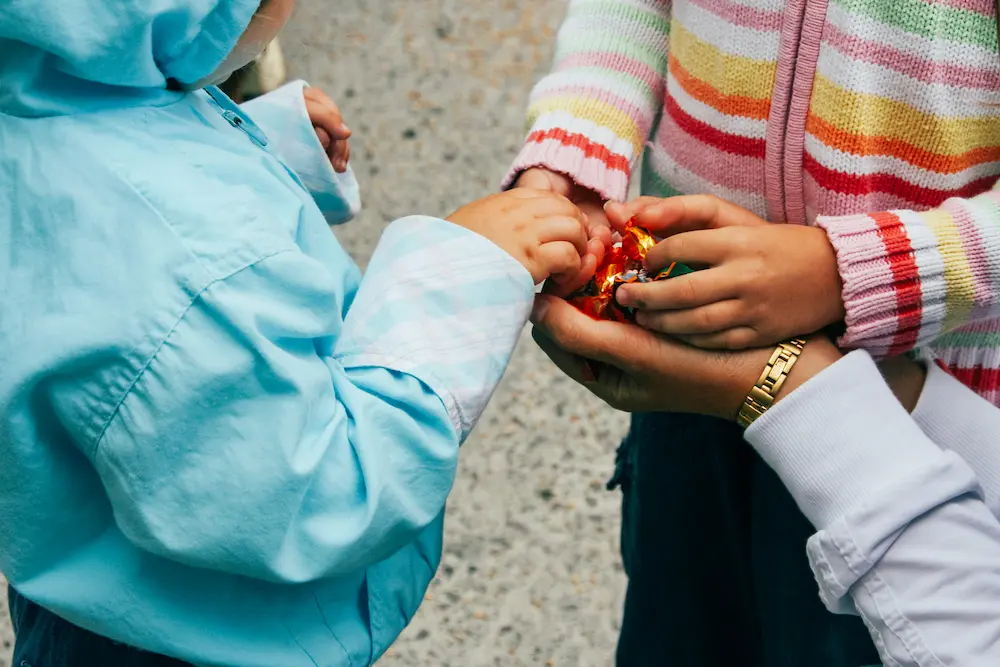
I spent most of fourth grade convinced I could turn a single packet of Fun Dip into an entire lunchroom economy. One Lik-a-Stix bought me at least three different desserts if I negotiated the trade right, and I walked away from most Fridays feeling like a candy tycoon in Velcro sneakers. Back-to-school season runs on that same trading-floor energy today, and for candy and snack retailers, it is one of the more reliable sales windows on the calendar if the inventory gets planned early enough to catch it.
Why Back-to-School Belongs on Your Seasonal Calendar
The National Confectioners Association tracks back-to-school as one of the recognized seasonal moments in its consumer research, alongside the four major holidays. That is a meaningful distinction. It means the spending pattern is consistent enough, year over year, for a trade group to study it as its own category rather than folding it into general summer sales.
For a candy store, convenience store, or specialty snack shop, that translates into a predictable few weeks where parents are stocking lunches, teachers are buying classroom treats, and college students are moving into dorms with an empty pantry. Three separate buying occasions converge on the same shelf space at the same time, and most of them are impulse-adjacent purchases rather than planned grocery runs.
What Is Actually Trending in Lunchboxes This Fall
Ask ten different fourth graders what belongs in a great lunchbox and the answers will not match, but a few patterns hold up across most of them. Nostalgic formats parents remember from their own childhoods are outperforming brand-new inventions, a pattern the NCA has started calling “newstalgia” in its trend reporting rather than treating it as a temporary blip. Portable, mess-free formats also matter more than they used to, since a candy that survives a backpack better than a granola bar has a real advantage at pickup time.
Sour, sweet-and-spicy, and freeze-dried formats, all categories that have already proven themselves at retail over the past year, tend to carry into fall lunchboxes rather than disappearing once summer ends. A format that already has a following does not need to be reintroduced every season. It just needs to be visible when the buying occasion shifts from beach bag to backpack. Search interest data on Google Trends shows the same pattern climbing every August, which is a reasonable way to sanity check local buying decisions against a wider national trend.
Regional timing matters here more than it does for a fixed-date holiday. A district in the Southeast may return to class in early August, while parts of the Northeast wait until after Labor Day, so a retailer serving a wide territory is really managing several overlapping mini-seasons rather than one national date.
That fourth-grade trading floor never really closed. Kids still swap items at lunch, and whatever wins those informal trades tends to spread through a school faster than any circular ad could manage. A retailer who stocks the item currently winning the cafeteria trade war gets free word of mouth from an audience that has no idea it is marketing anything.
Teachers, Classrooms, and the Buying Habits Retailers Overlook
Parents are not the only ones buying. Teachers routinely stock a classroom treat drawer or a reward jar out of their own pocket, and that habit tends to peak in the first few weeks of the school year before tapering off. A small, clearly labeled section built around individually wrapped, classroom-appropriate candy gives that shopper an easy, fast decision instead of forcing them to hunt through a general candy aisle on a lunch break.
Room parents and PTA volunteers buying for a first-day-of-school party or a teacher gift basket represent a smaller but genuine slice of the same window, and they tend to buy in bulk when the shopping trip is convenient.

Building a Stocking Timeline That Does Not Leave You Short
Most school districts set their start dates months in advance, and those calendars are public information a buyer can check before placing a fall order. Ordering four to six weeks ahead of the local start date gives a retailer time to build a visible display before the rush rather than scrambling to restock during it. Waiting until the week before school starts usually means competing with every other buyer for the same popular formats.
A short backorder on a single item during the first week of school is a worse outcome than carrying slightly too much of it, since a parent who cannot find a favorite lunchbox item once will often just switch stores rather than switch products.
Cross-merchandising helps more than most retailers expect. Placing candy and snacks near a small school-supply display, even a modest one, catches a shopper who is already thinking about the new school year and has not yet decided what goes in the lunchbox. Redstone's guide to managing a c-store candy aisle covers the layout side of this in more detail, and the roundup of best-selling candy formats is a useful reference when deciding what earns the limited shelf space.
Do Not Skip the Dorm Room and Study Snack Crowd
College move-in weekends create a smaller but real spike of their own. New students are stocking a pantry from nothing, often for the first time, and care packages from home remain a steady tradition among parents who cannot be there in person. Exam periods later in the fall bring a second, quieter wave built around study snacks that travel well and do not require a kitchen.
Redstone's snack selection covers the chips, popcorn, and cookie categories that tend to move fastest in that window, and stocking a small dedicated section for grab-and-go formats gives a retailer a reason for both audiences, students and parents, to keep coming back through October.
Frequently Asked Questions
When should candy and snack retailers start ordering for back-to-school? Most buyers order four to six weeks ahead of their local school district's start date, which gives enough lead time to build a display before the seasonal rush begins.
What snack categories perform best during the back-to-school season? Portable, lunchbox-friendly candy formats and grab-and-go snacks like chips, popcorn, and cookies tend to outperform less portable options, along with nostalgic items parents remember from their own school days.
How is back-to-school buying different from Halloween buying? Back-to-school spending is spread across several smaller occasions, including lunches, classroom treats, and dorm move-ins, while Halloween buying concentrates around a single date and skews toward bulk and variety formats.
Do college students affect candy and snack sales too? Yes. Dorm move-ins and exam periods create their own smaller buying spikes centered on pantry-stocking and study snacks that do not require a kitchen.
Back-to-school will not wait for a slow order cycle, and the retailers who treat it as its own season, rather than an afterthought squeezed between summer and Halloween, tend to be the ones with full shelves when the trading floor reopens. Set up a wholesale account with Redstone to get ahead of the fall order cycle before local schools are back in session.